The Stone Circle No One Knows Who Built

Deep in the green hills of Turkey sits Göbekli Tepe, a massive stone circle built thousands of years before the Egyptian pyramids. Hunters and gatherers carved giant T-shaped pillars out of solid rock, long before anyone knew how to make metal tools or farm the land. It changes everything we thought we knew about human history.
The short truth is simple: experts still do not know who built this site. The people who made it left no written words, no names, and no house walls behind. We only have their giant stone art, buried animal bones, and endless questions.
What Makes Göbekli Tepe Such a Huge Mystery?
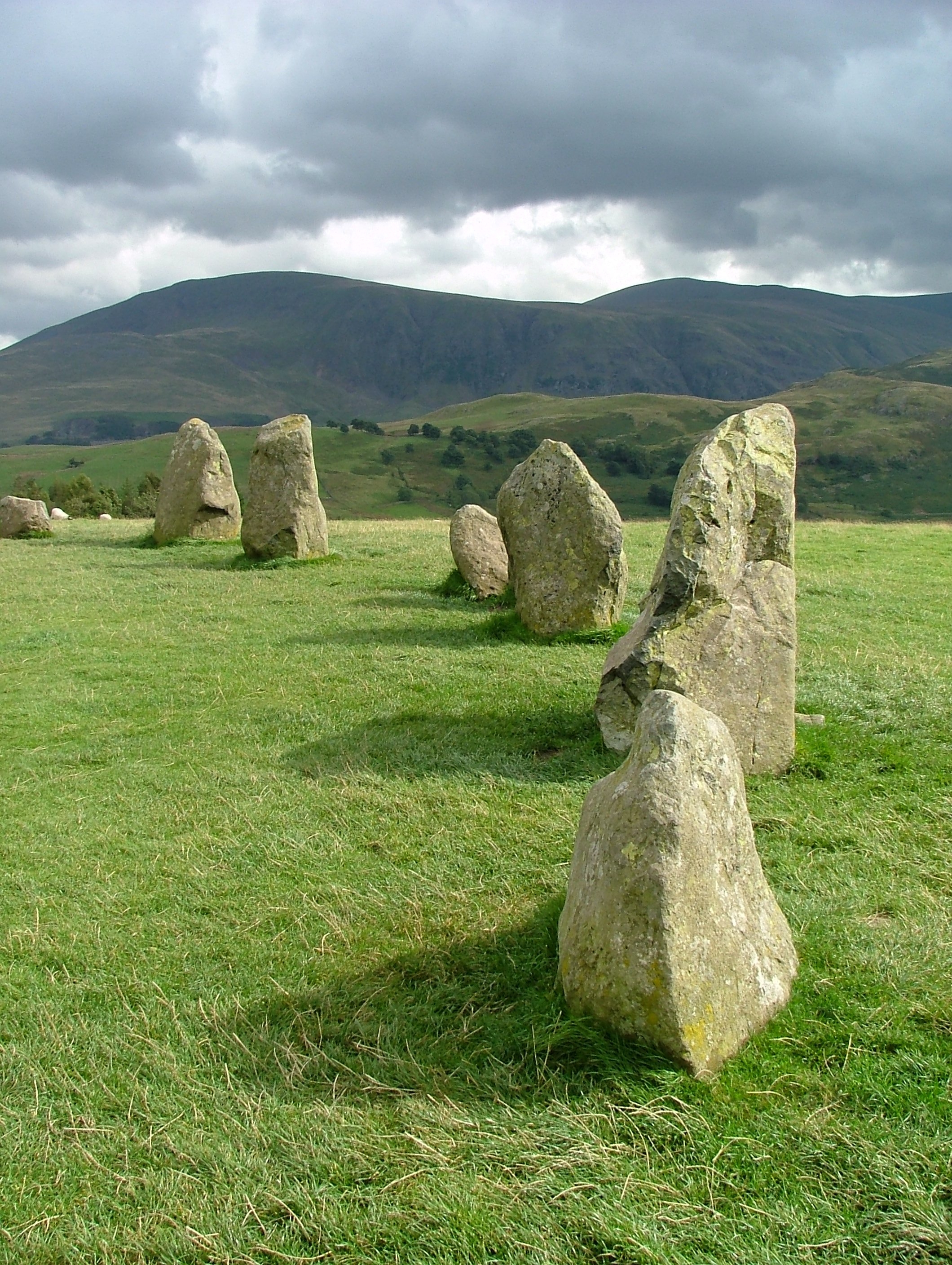
Imagine trying to move a heavy truck using only your bare hands and wooden sticks. That is the kind of job these ancient builders pulled off every single day. Some of the stone pillars stand 18 feet tall and weigh over 10 tons. They carved detailed animals like foxes, scorpions, and lions right into the hard rock faces.
The old story taught in schools said that humans learned to farm first. Once they farmed, they stayed in one spot, built villages, and then made big stone monuments. But this ancient site flips that order upside down. The builders were still wandering hunters. They ate wild deer and gathered wild grasses while erecting massive circles of stone.
Back in 1994, a German archaeologist named Klaus Schmidt started digging into a dusty hill in southern Turkey. Local farmers thought it was just a regular hill with some old graveyard stones. Schmidt took one look at the carved rock slabs and realized it was something far older. You can learn more about how experts study hard mysteries by looking into unsolved problems in history that still puzzle scientists today.
The oldest parts of this stone site go back nearly 12,000 years. That means it was built around 9600 BC. For context, Stone Henge came along more than 6,000 years later. The builders here were closer in time to the end of the last Ice Age than they were to the builders of the pyramids.
The Clues Left Behind in the Dirt
When archaeologists dig at a normal historic site, they find old pots, broken tools, and trash pits full of house junk. That is not what happened here. The team found thousands of wild animal bones, mostly gazelles and wild cattle. But they found zero signs of human houses, kitchen fires, or water wells.
That clue suggests people did not live at the site year-round. Instead, scattered groups gathered here for big seasonal events. Think of it like a giant festival ground where different hunting groups met up, held rituals, and worked together on massive stone projects. They spent weeks or months shaping rock, then went back to their roaming life.
Here is what the dirt tells us so far:
- No human graves have been found inside the main stone rings yet.
- The tools used were made of hard flint rock, not copper or iron.
- The animal bones show no marks of farm breeding, proving the animals were wild.
- The carved stones feature night animals and dangerous predators, not food animals.
The lack of farm tools is the most striking fact of all. To pull heavy stones out of a quarry, you need hundreds of people working in tight groups. How did a scattered population of wild hunters coordinate such a project without a king, a writing system, or a city to back them up? We often see missing pieces like this in other famous puzzles, like The Lighthouse Keepers Who Vanished: What Really Happened? where people disappeared without leaving a simple note behind.
Who Built Göbekli Tepe and Why?
Since we have no written records, researchers have built three main theories to answer this question. Each idea has good points, but each one leaves small gaps that keep the debate alive.
The first theory says the site was a central temple for an early religion. The tall T-shaped stones look a bit like human figures with long arms and slim belts carved on their sides. Maybe these pillars were abstract statues of gods, ancestors, or mythical guardians. The hunters built the rings to appease spirits and pray for good hunts.
The second theory suggests it was a gathering spot for making peace and sharing news. In a world full of wild beasts and harsh winters, different bands of humans needed to trade items and find mates outside their small families. Building a huge stone monument together was a way to keep peace between groups. You work on the heavy lifting today, so we do not fight each other tomorrow.
The third theory is about early sky watchers. Some researchers believe the pillars line up with bright stars like Sirius or mark the changing of seasons. If you hunt wild animals, knowing when the seasons shift is a matter of life and death. Building a stone calendar helped them track the year.
If you enjoy reading about strange places left behind by history, check out our full collection of unexplained historic mysteries for more deep dives into the past. Every site has its own set of strange clues, but this stone circle remains the oldest of them all.
Why Did They Bury Their Own Work?
Here is the most eerie twist of the whole story. The builders did not just walk away and let the stones fall over time. They deliberately buried the circles under tons of dirt and rock debris.
Around 8000 BC, after using a stone ring for a few hundred years, the people filled the entire space up to the top of the pillars. Then they built a new, smaller circle right next to it or on top of it. They repeated this cycle over and over. It took massive effort to dig up all that dirt and dump it over their own carved artwork.
Why would anyone bury something they worked so hard to build?
Some experts think the stones lost their special power over time, so burying them was a way to put them to rest safely. Others guess that shifting weather or changing animal paths forced the people to leave. Burying the shrine protected it from bad spirits or rival groups. Whatever the reason, their weird decision preserved the carvings in near-perfect shape for thousands of years under the earth.
When Schmidt and his team uncovered the first pillar, the stone animal carvings looked almost as sharp as the day they were made. The dirt blanket kept wind, rain, and frost from wearing the images away. You can contrast this deliberate burial with sea mysteries like the Mary Celeste ghost ship, where things were left standing open to the elements without any cover at all.
The Missing Clues We Are Still Looking For
Radar scans of the hill show that less than ten percent of the whole complex has been dug up so far. There are at least sixteen more stone circles still hidden beneath the soil. That means the biggest secrets of this place are literally sitting right under the ground, waiting for future workers.
Archaeologists go very slowly now. Digging up ancient rock destroys the dirt layers around it, so they dig a little bit each season. They use fine brushes, modern screens, and chemical tests on old soil to find microscopic plant seeds or tiny bits of bone.
Every new room uncovers different carvings. One room has pillar images of snakes crawling down the stone, while another shows birds and wild boars. No two circles are exactly alike. It feels like walking through different chapters of a book written in a language no modern human can read.
If you want to read more about unsolved events where whole groups of workers disappeared from their posts, take a look at The Lighthouse Keepers Who Vanished: What Really Happened? for another look at real evidence left behind.
Researchers hope to find a burial pit with human bones soon. Studying the DNA of the builders would tell us where they came from, what diseases they had, and how they were related to modern people living in the region today. Until then, we can only guess about their faces and their names.
What the Site Tells Us About Human Nature
Before this stone site was uncovered, history books portrayed early humans as simple creatures focused only on finding their next meal. We thought complex art, giant buildings, and shared beliefs only happened after people settled down on farms with crops and cows.
This ancient hill proves that human imagination came first. Long before we built cities, we had a drive to build grand things together. We wanted to connect with something larger than ourselves, carve our ideas into solid rock, and gather in large numbers under the open sky.
The stone circles of Turkey stand as proof that our ancestors were far smarter and more organized than we ever gave them credit for. They had engineers who understood use, artists who knew animal bodies by heart, and leaders who could inspire hundreds of workers without paying them a single silver coin.
For more detailed breakdowns of forgotten ruins and real puzzles from history, check out our endless list of ancient world mystery articles to keep testing your detective skills.
Next time you look at a modern skyscraper or a massive bridge, think about those hunters 12,000 years ago standing in the dust with flint stones in their hands. They looked at a blank mountain face and decided to build something that would last forever. What do you think motivated them to spend decades moving heavy rocks before they even knew how to grow wheat?


टिप्पणियाँ
एक टिप्पणी भेजें